Detroit beat or Flint beat for a Rio Da Yung OG-style track
Want articles like this for your own video to promote it on YouTube and Google? Order them through the Telegram bot @sat_sit_bot. It writes articles around your video, embeds the video and publishes them on popular niche websites (no ads). Your first 50 articles are free.
· based on the channel Reuel StopPlaying
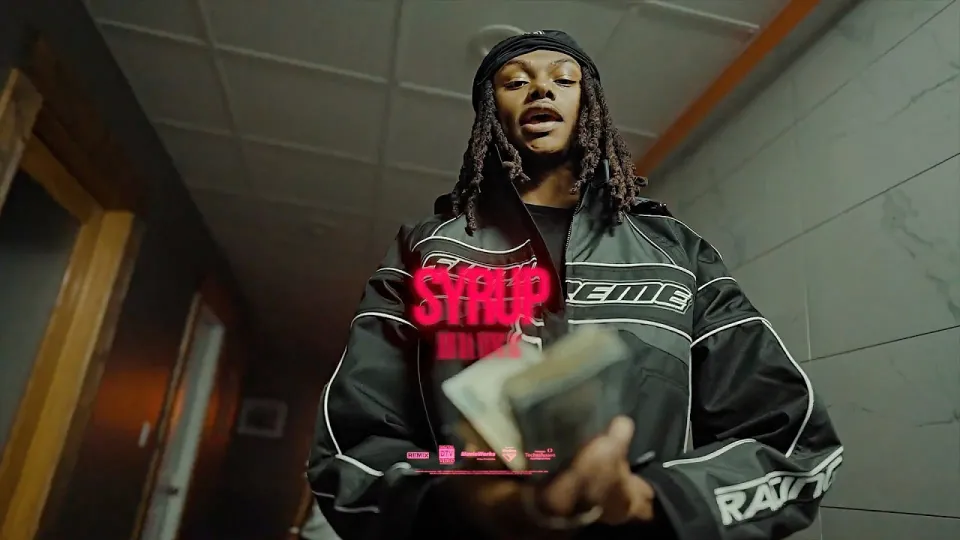
A Detroit beat is the better pick when you want space for dense, punchline-heavy rapping and a dark melodic loop, while a Flint beat suits harder, more aggressive delivery; for a Rio Da Yung OG x Babyfxce E-style track like “Syrup”, the right answer is a Detroit-built beat with Flint cadence in mind. The free download of this type beat is available through the producer’s purchase link, with non-profit use allowed under a written-credit rule.
What a Detroit beat actually sounds like
A Detroit beat is defined less by tempo than by restraint: a short melodic loop, hard kick-snare patterns, and a lot of empty space for the vocal. Producers in the Detroit and Flint scene — the circle around Rio Da Yung OG, Babyfxce E, Krispylife Kidd, Grindhard E, RMC Mike, Ak Bandamont, Babytron and YSR Gramz — tend to build around three elements.
- A melodic loop with a dark or eerie tone. Pianos, bells, filtered soul chops or simple synth lines, usually two to four bars, repeated with minimal variation.
- Punchy, mid-forward drums. The kick and snare do the work; hi-hats are often simple and not overly programmed, so the rapper’s flow stays the loudest rhythmic element.
- Low bass that follows the loop, not the drums. The 808 or sub sits under the melody and leaves gaps rather than filling every beat.
Tempo for this style usually lands between roughly 90 and 105 BPM. That range lets a rapper deliver long, conversational bars without the beat pushing them into double time. A Detroit type beat is therefore a production template — the region’s sound as a reusable format — rather than a single song.
Detroit beat vs Flint beat: the difference that matters
A Flint beat pushes harder and faster, while a Detroit beat leaves more air; both share the same Michigan rap DNA, so the line between them is blurry by design. Flint records from Rio Da Yung OG and Babyfxce E often sit at a slightly higher tempo with more aggressive percussion and a rougher mix, and the vocal delivery is more clipped and punchy. Detroit-style production tends to be cleaner and more loop-driven.
In practice:
- Choose Detroit if your verse is dense, conversational, and needs room to land punchlines.
- Choose Flint if you want energy, faster cadence, and a harder drum presence.
- Blend both if your track switches between laid-back and aggressive sections — many current type beats do exactly this.
“Syrup” sits in the blended zone: a dark melodic idea with drums that stay out of the way, which is why it works for both a Rio-style flow and a Babyfxce E-style delivery.
How this “Syrup” type beat is built and licensed
This beat is a free download for non-profit use only, and any for-profit release requires a paid license. The producer’s terms are specific, and they matter more than the beat itself if you plan to publish.
- Free use covers non-profitable, promotional or personal work: free demos, promo CDs, streaming your recording on YouTube or social platforms, and live shows that don’t generate profit.
- For-profit use is forbidden under the free download. Commercial releases, monetized distribution and paid placements need a non-exclusive or exclusive license.
- Written credit is mandatory: “Produced by (Producer Name) for SoundFirst Productions” must appear on every physical or digital distribution and in the description of any streaming upload. Where written credit is impossible, a recorded vocal credit is required.
How to record over a Detroit type beat in five steps
Recording over a Detroit beat works best when you treat the empty space as part of the arrangement. A practical order:
- Set the tempo and count the bars. Confirm the BPM in your DAW, then map the loop length so you know where eight- and sixteen-bar sections fall.
- Write to the pocket, not the drums. Speak the verse first without the beat; then place it so the last word of each line lands near the snare.
- Leave the hook simple. Repeating a short phrase two or four times fits the sparse production better than a melodic chorus.
- Mix the vocal forward. In this style the vocal is the loudest element; keep the loop slightly behind it and control the low end so the 808 and your voice don’t fight.
- Credit the producer before you upload. Add the required credit line to the video description and any distributor metadata.
Common questions from producers and rappers
People discovering this beat usually ask the same things: whether the free download is genuinely usable, whether a Detroit beat can carry a Flint-style verse, and how the credit rule works in practice.
The free file is usable, but only inside the non-profit boundary — a monetized YouTube upload or a paid streaming release crosses into license territory. A Detroit-style beat can absolutely carry a Flint cadence; the difference is mostly in how much space the drums leave, and a rapper can fill that space with a faster, more clipped delivery. The credit rule is not optional: it applies to streaming descriptions, physical copies and distributor metadata alike, and it must name the producer and SoundFirst Productions in the given format. Finally, buying the beat does not automatically grant exclusivity — non-exclusive and exclusive are separate licenses, so confirm which one you’re getting before you build a release around it.
Useful links
- Buy or license this beat: https://bit.ly/2mxSONh
- Producer on Twitter: https://twitter.com/reuelethan
- Producer on Instagram: http://instagram.com/Reuelethan
Bottom line on choosing a Detroit beat
A Detroit beat wins when your writing needs room, and a Flint beat wins when your delivery needs pressure; “Syrup” is a useful reference because it does both without crowding the vocal. If you download it, respect the boundary that separates free promotional use from a paid license, and put the credit line where people can actually read it. This breakdown was put together by the Reuel StopPlaying channel, which published the beat and its usage terms. Start with the purchase link if you plan to release commercially, and keep the free version for demos and practice.
Key takeaways
- Detroit beats run roughly 90–105 BPM with sparse, punchy drums and a dark melodic loop; Flint beats sit closer to 100–115 BPM with harder, more aggressive percussion.
- The “Syrup” type beat is a free, non-profit-only download; commercial use requires a paid non-exclusive or exclusive license.
- Written credit is required in the format “Produced by (Producer Name) for SoundFirst Productions” on every upload and distribution.
- Rio Da Yung OG and Babyfxce E both come from Flint, Michigan, so the beat blends Flint rap cadence with Detroit-style production space.
- The beat is sold via https://bit.ly/2mxSONh and the producer posts through Reuel StopPlaying.
Source: [FREE] Rio Da Yung OG x Babyfxce E Type Beat - “Syrup” | Detroit Type Beat · Markdown version
Questions & answers
Can I use this Detroit type beat for free on YouTube?
Yes, if the upload is non-profit and promotional. The free license covers streaming your recording on platforms like YouTube and social media, plus free demos and non-profit live shows. Monetized or for-profit releases require a non-exclusive or exclusive license.
What credit do I have to write when I use the beat?
You must include the line “Produced by (Producer Name) for SoundFirst Productions” in the description of every streaming upload and on any physical or digital distribution. If written credit is truly impossible, a recorded vocal credit is required instead.
Is a Detroit beat suitable for a Flint-style verse?
Yes. Detroit production leaves more space and uses a darker melodic loop, while Flint delivery is faster and more clipped; the two combine well because the sparse drums give a punchy cadence room to land. Tempo is the main thing to check before writing.
Does buying the beat make it exclusive to me?
Not automatically. Non-exclusive and exclusive licenses are separate options, and only an exclusive license removes other artists from using the same beat. Confirm which license you are purchasing before you plan a release around it.